
AI Is Helping Historians Decode Centuries-Old Secret Messages
How AI Is Unlocking Hidden Secrets From the Past
Artificial intelligence is transforming the way historians decode ancient and encrypted documents that have remained unread for centuries.
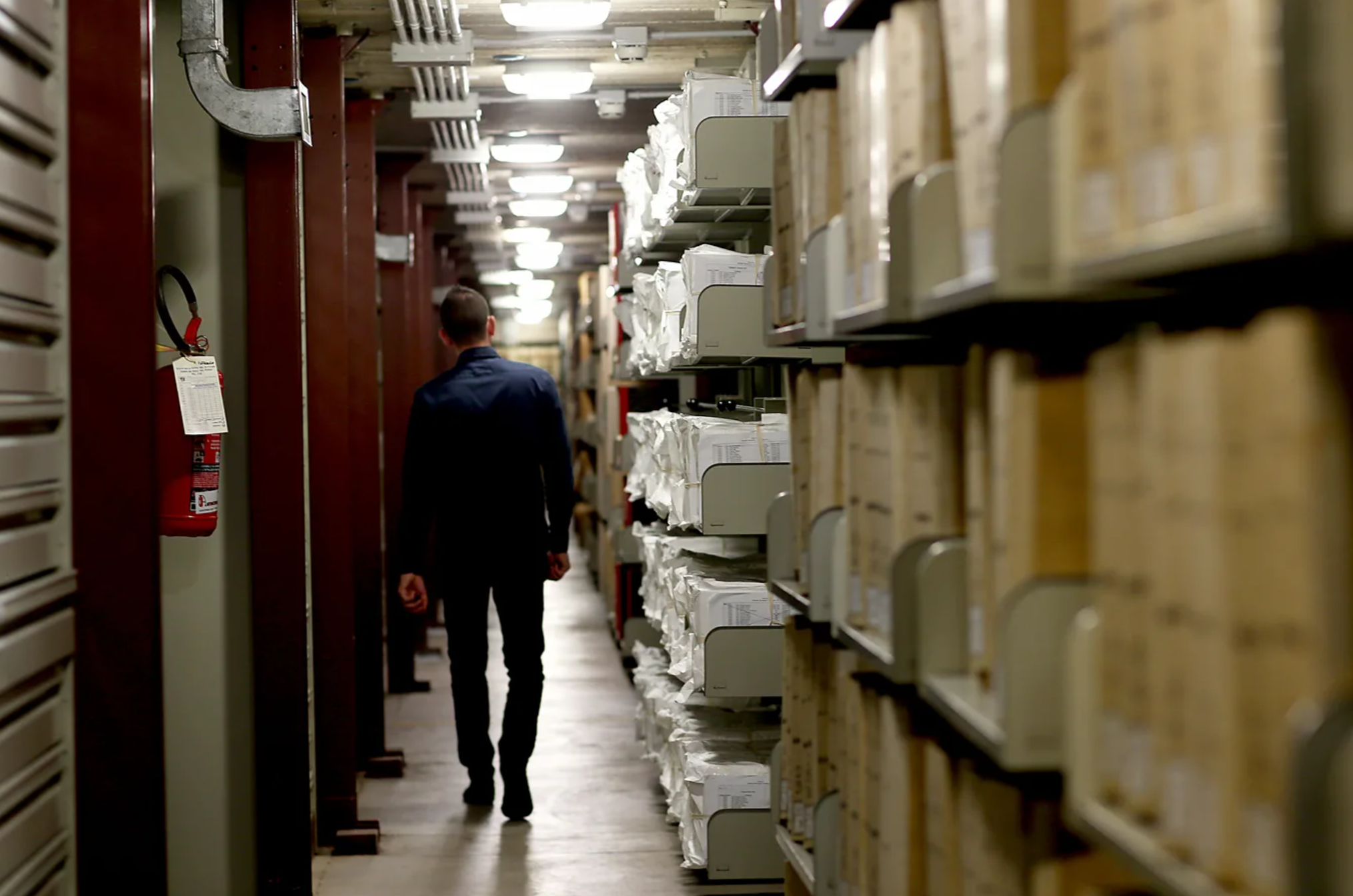
Researchers are now using AI and machine learning to crack historical ciphers hidden in libraries and archives worldwide. One notable success is the decoding of the 400-year-old Borg Cipher, a mysterious manuscript stored in the Vatican Library that contains hundreds of pages of encrypted medical remedies and historical knowledge.
Traditionally, deciphering coded manuscripts required months or even years of manual work. Historians first had to transcribe handwritten symbols into digital text before cryptologists could begin breaking the code. AI is dramatically speeding up this process by automatically recognizing handwriting, identifying patterns, and helping researchers test possible decryptions.
Researchers involved in the international DESCRYPT project are developing advanced AI systems capable of both transcribing and decoding encrypted documents. Some experimental tools can already analyze images of ciphered texts and reveal their contents in a fraction of the time previously required.
Beyond solving individual mysteries, these technologies could unlock vast amounts of hidden historical information, including diplomatic correspondence, medical knowledge, personal letters, and records from secret societies. Experts believe AI may eventually help decipher some of history's greatest unsolved writing systems and ciphers.
As AI continues to improve, historians may soon gain access to centuries of forgotten stories that have remained hidden behind cryptic symbols and lost languages.