
BMW Brings Humanoid Robots to European Car Production
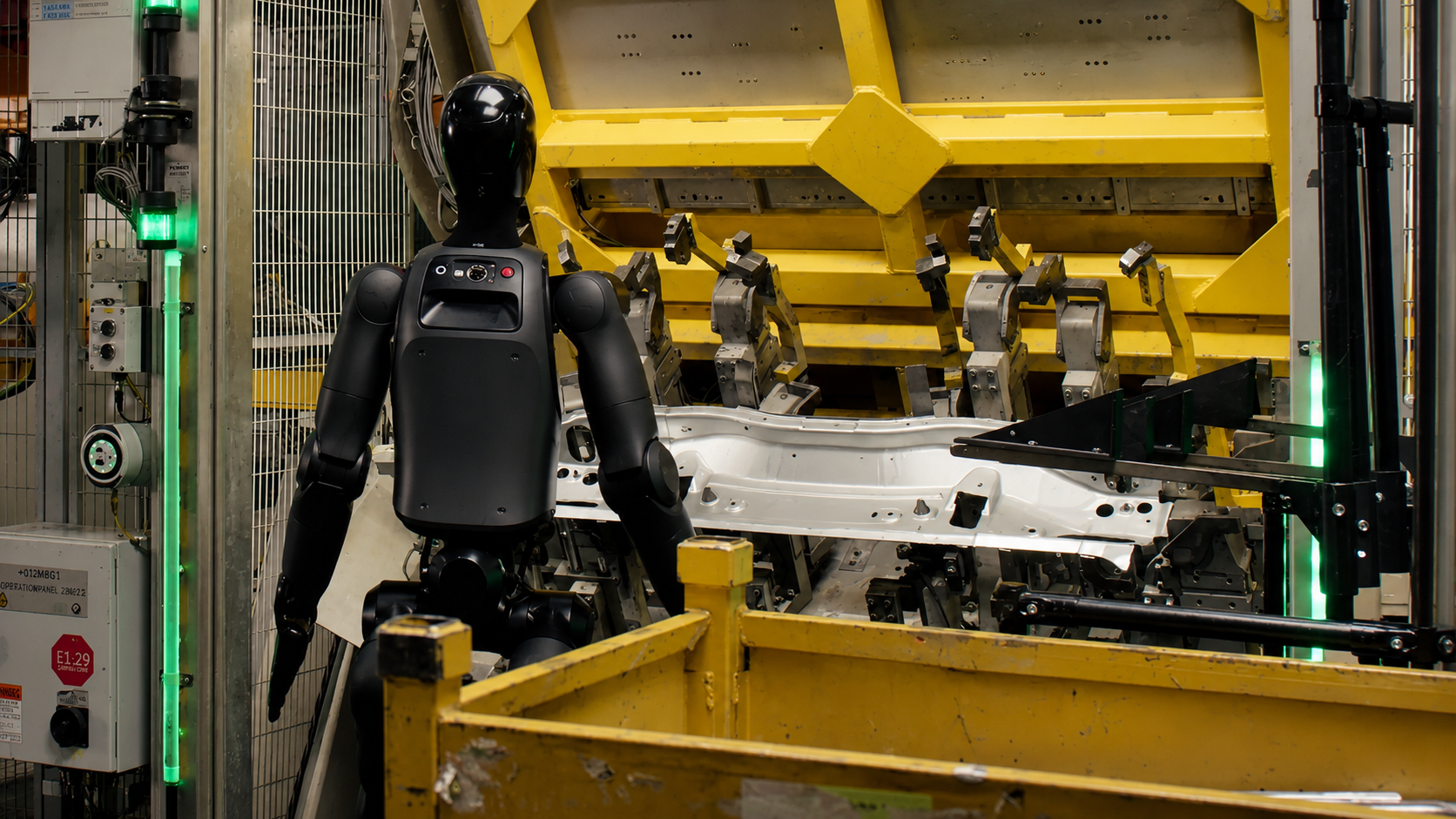
BMW Introduces Humanoid Robots to European Production Lines
BMW is preparing to deploy humanoid robots in its European manufacturing facilities for the first time, marking a significant milestone in the evolution of automotive production.
The company is currently testing two Aeon robots, developed by Hexagon Robotics, at its Leipzig factory in Germany. According to BMW's Head of Process Management and Digitalisation, Michael Nikolaides, humanoid robots represent the future of automotive manufacturing.
Unlike traditional industrial robots that require dedicated workspaces, humanoid robots are designed to fit into environments already built for human workers, making them easier and more cost-effective to integrate into existing factories.
Meet Aeon: BMW's New Robotic Co-Worker
Aeon stands 1.65 meters tall, weighs 60 kilograms, and is equipped with 21 sensors, including cameras, radar, microphones, and force sensors that allow it to interact with its environment.
The robot can move at speeds of up to 2.4 meters per second and carry components used in manufacturing processes. While its battery lasts approximately three hours, Aeon can independently swap its battery in just a few minutes, allowing it to continue working with minimal downtime.
Initially, the robots will handle tasks such as feeding parts into manufacturing equipment and performing pick-and-place operations during battery assembly.
AI Training Makes Robots More Adaptable
One of the most important advances behind Aeon is the way it learns.
The robots are trained using digital simulations, reinforcement learning, and teleoperation, where human workers demonstrate tasks through sensors and motion tracking systems.
Hexagon Robotics believes imitation learning could dramatically reduce training times, allowing robots to learn new tasks in days instead of months simply by observing humans perform them.
Industry experts predict that within the next few years, robots may be able to receive simple voice instructions and complete workplace tasks with minimal additional programming.
Why Automakers Are Investing in Humanoid Robots
BMW isn't alone in exploring humanoid robotics.
Toyota is testing Digit robots from Agility Robotics, Hyundai plans to deploy Atlas robots from Boston Dynamics, and Xiaomi has already experimented with humanoid robots in electric vehicle production.
For manufacturers, the appeal is clear: humanoid robots can perform repetitive, physically demanding, or difficult-to-staff jobs while working alongside existing employees.
BMW also believes these systems could help address future labor shortages as demand for skilled workers continues to rise.
The Benefits—and the Challenges
BMW's previous experience with humanoid robots in the United States revealed an important advantage over traditional automation.
Unlike conventional industrial robots that often fail when objects are slightly misaligned, AI-powered humanoid robots can adapt to small changes in their environment and continue working without interruption.
However, experts caution that public expectations may be running ahead of reality. While humanoid robots have become increasingly capable, many demonstrations focus on visually impressive actions that don't necessarily reflect real-world industrial performance.
A Glimpse Into the Future of Manufacturing
As AI, robotics, and automation continue to advance, factories are becoming more flexible and intelligent than ever before.
BMW sees humanoid robots not as replacements for human workers, but as tools that can support employees, handle repetitive tasks, and improve productivity across manufacturing operations.
Whether humanoid robots become as common as industrial robot arms remains to be seen, but one thing is clear: the automotive industry is rapidly becoming a testing ground for the next generation of AI-powered machines.